5 Krónur – Iceland’s First Banknote (1886)
A Complete Historical Overview
The Icelandic 5 krónur banknote issued in 1886 holds a special place in the nation’s monetary history. As part of the very first series of Icelandic paper money, it represents the beginning of Iceland’s transition from foreign-controlled currency toward a more independent financial system.
The First Icelandic Banknote Series
In 1885, a new law granted Landssjóður Íslands (the National Treasury of Iceland) the authority to issue paper money for the first time. The initial series consisted of 5, 10, 50, and 100 krónur banknotes. Printing took place in Copenhagen, Denmark, by the well-known security printer H. H. Thiele, with engraving work by artist Henrik Olrik.
Among these, the 5 krónur note is often considered the most iconic due to its small format and its significance as the lowest denomination.
Design & Features
Obverse (Front)
-
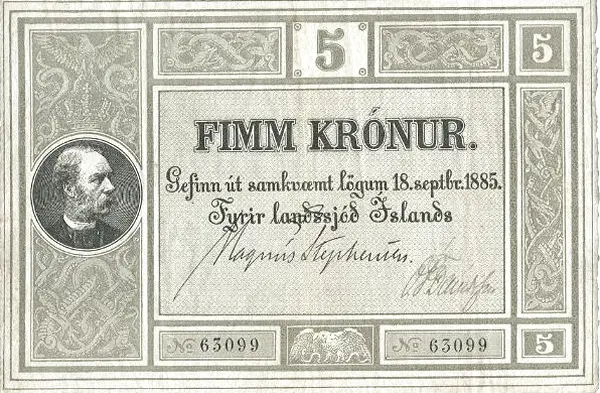
Portrait of King Christian IX on the left side.
-
Prominent Icelandic elements, including a decorative Icelandic falcon vignette at the bottom.
-
Text indicating legal authority:
“Gefinn út samkvæmt lögum 18. septbr. 1885. Fyrir Landssjóð Íslands.”
(“Issued under the law of 18 September 1885. For the National Treasury of Iceland.”) -
Watermark with the initials “ÍL” for Íslands Landssjóður.
-
Base color: gray, distinguishing it from the higher-value notes.
Reverse (Back)
-
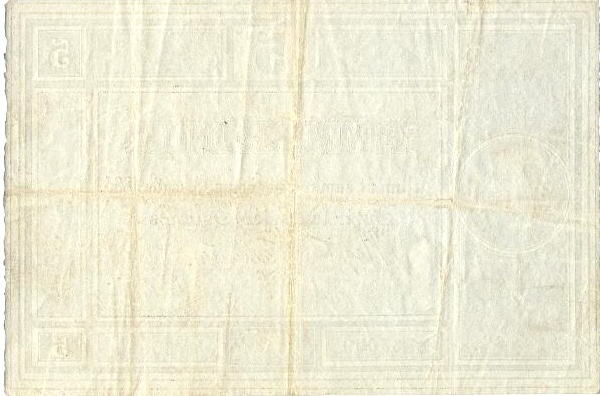
Blank — the 1886 series did not include back-side printing on the 5 krónur denomination.
Specifications
-
Size: Approximately 165 × 105 mm
-
Printer: H. H. Thiele, Copenhagen
-
Designer: Henrik Olrik
-
Catalog Number: Pick P-1
-
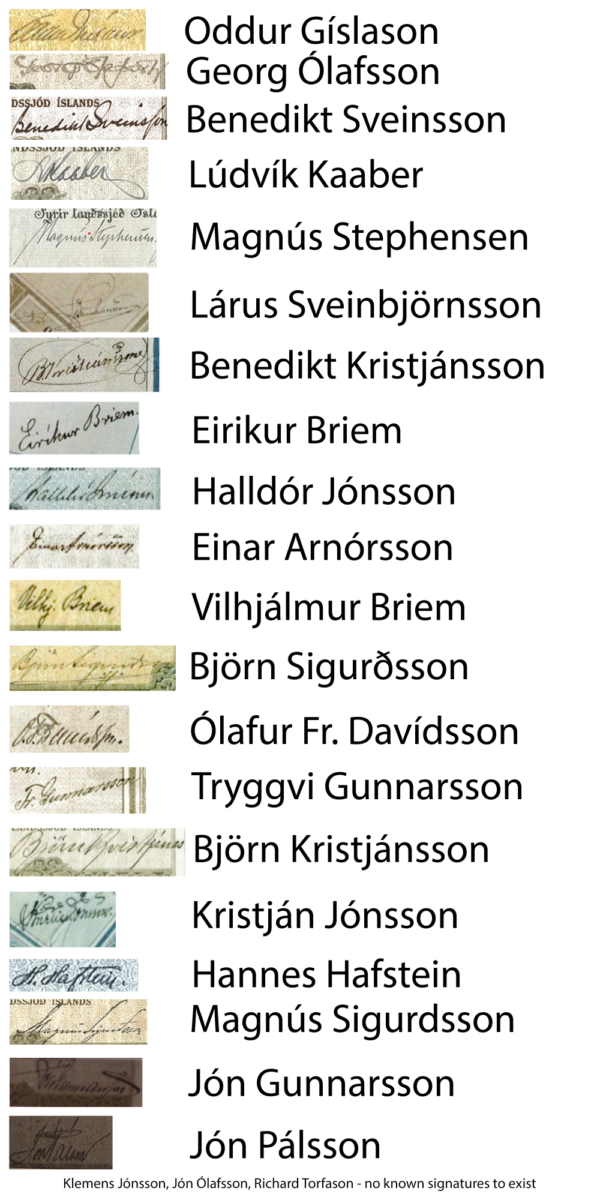
Signatures: Six different combinations were used during production.
Issuance & Circulation
The 5 krónur was officially issued on 21 September 1886, following the legislation passed the previous year.
Banknotes were signed in Iceland by authorized government officials before entering circulation, a process that slowed issuance and resulted in limited early quantities.
This note circulated widely during a time when Iceland’s economy was still deeply connected to Danish administration, making it an important transitional piece in Iceland’s financial evolution.
Withdrawal
The 1886 5 krónur banknote remained in circulation until it was officially withdrawn on 31 January 1909, replaced by later banknote issues as Iceland’s banking system matured.
Numismatic Significance
Today, the 1886 5 krónur is prized by collectors for several reasons:
-
It is part of the first Icelandic banknote series ever issued.
-
Surviving examples are scarce, especially in original or high-grade condition.
-
Signature variations add collecting depth and rarity distinctions.
-
Historical importance makes it a cornerstone piece for anyone collecting Scandinavian or Icelandic currency.
Whether preserved in museums or private collections, the 5 krónur of 1886 stands as a symbol of Iceland’s early monetary independence and an essential artifact of national heritage.
5 Kronur 1886 P-1 Iceland
Signatures guide for Icelandic currency of the period